
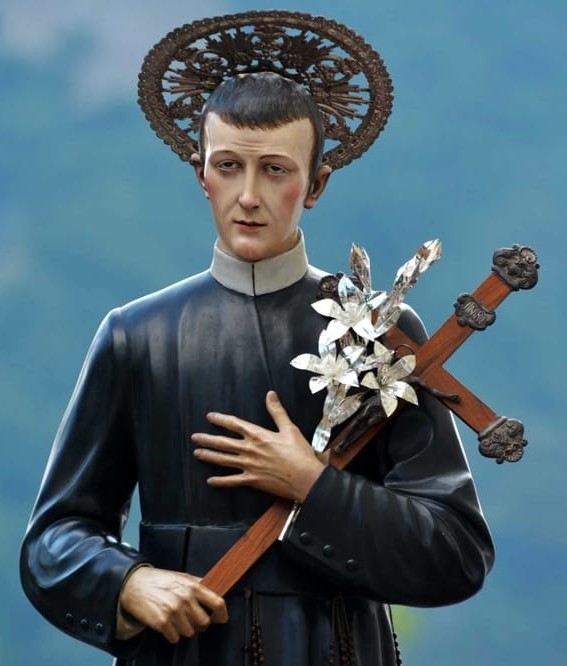
In 2026 we celebrate the 300th anniversary of Saint Gerard Majella’s birth. St Gerard is close to our hearts as he was a Redemptorist brother and The Majellan magazine was named in his honour.
Born on April 6, 1726, Gerard was an Italian lay brother of the Redemptorist Congregation and is remembered as one of the most beloved saints of the Catholic Church. Though his life was short, his reputation for holiness and miraculous intervention spread widely during his lifetime and intensified after his death.
The miracles attributed to him reveal a man of extraordinary faith, humility, and charity – one who believed that God’s power could touch every human circumstance, from sickness and poverty to childbirth and conversion.
Gerard’s first miracles occurred while he was still alive. Known for his deep compassion for the poor, he often multiplied food for families in need. On several occasions, witnesses testified that loaves of bread, once insufficient to feed those present, increased in number after Gerard blessed them. He was also said to have healed the sick through prayer and the sign of the cross.
One of the most famous incidents occurred when a boy fell from a high cliff. Gerard ran to him, prayed fervently, and the boy miraculously stood up unharmed.
Another incident tells of Gerard dropping the monastery’s key into a well. He made the sign of the cross, lowered a small statue of the Infant Jesus into the water, and the key floated to the surface. This small yet symbolic miracle became a testimony to his childlike trust in God’s providence.
However, the most enduring miracle associated with Gerard is connected to childbirth. During a visit to a family he knew, Gerard accidentally left behind a handkerchief. When one of the daughters ran to return it, he told her to keep it. He said, “You may need it someday.”
Those prophetic words were realised years later when that young woman faced a life-threatening childbirth. She remembered Gerard’s words and asked for the handkerchief. As soon as the handkerchief was placed upon her, the pain eased, and she safely delivered a healthy child. News spread rapidly, and Gerard soon became revered as the patron saint of expectant mothers and unborn children.
Today, countless women invoke his intercession during pregnancy and labour, many reporting safe deliveries after praying to him.
After his death from tuberculosis at Materdomini in 1755 at the age of twenty-nine, reports of miraculous cures and favours multiplied. Pilgrims who visited his tomb spoke of healings from chronic illnesses, protection from accidents, and conversions of heart. The Redemptorists recorded hundreds of testimonies, leading the Church to formally investigate his cause for sainthood. When Pope Pius IX canonised him in 1904, the documentation of verified miracles played a central role in affirming his sanctity.
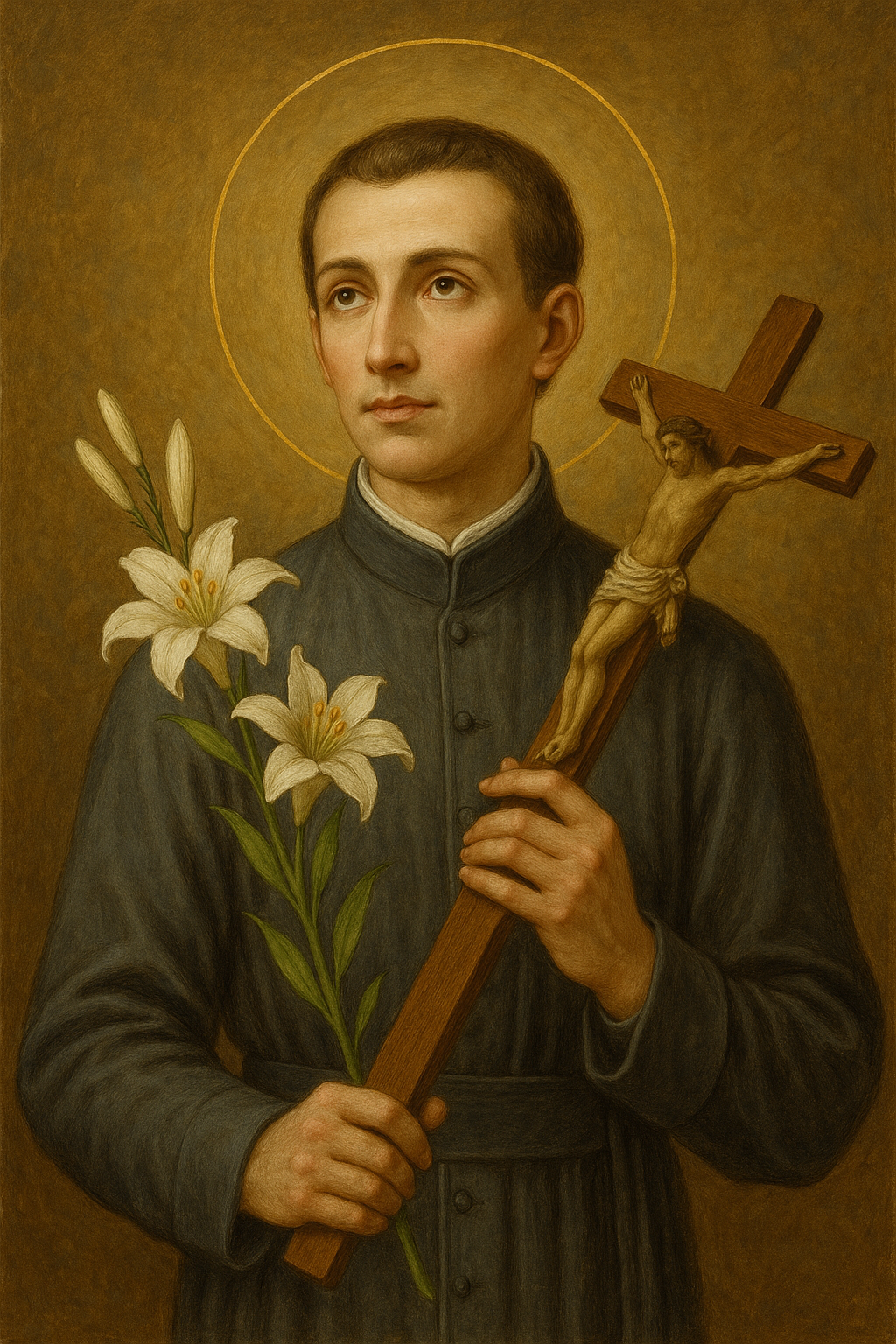
One notable posthumous miracle occurred when a child, presumed dead, was revived after his mother invoked Gerard’s name. In other cases, sailors lost at sea claimed to have been saved after calling on his intercession. Each story echoed the same theme: Gerard’s compassion and purity of heart continued to mediate divine mercy long after his earthly life ended.
The miracles attributed to Gerard continue to inspire faith and trust in God’s providence. His example shows that holiness is not confined to priests or scholars but can flourish in humble service. Through his intercession, believers find hope in moments of fear, particularly during childbirth, sickness, and despair – living reminders the miraculous grace of God still acts through the prayers of the saints.
St Gerard’s feast day is celebrated annually on October 16.
More details at www.un.org/en/observances/interfaith-harmony-week
We encourage you to share and use this material on your own website. However, when using materials from Majellan Media’s website, please include the following in your citation: Sourced from www.majellan.media