
A nourishing desert
22 February, 2026 1st Sunday Lent, Year A
Matthew 4:1-11
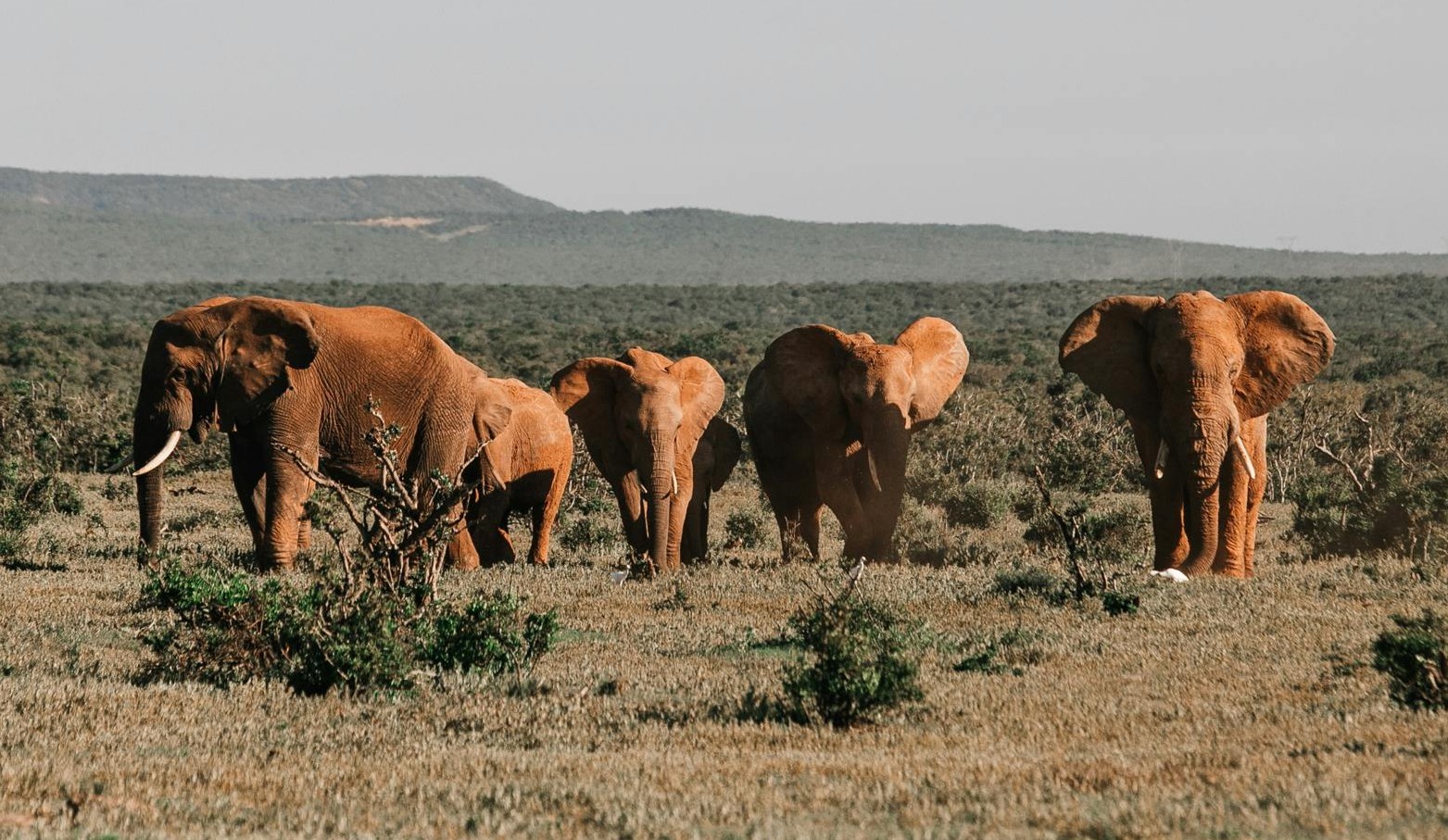
Vast, bare and silent, the desert is a place of spare and rugged beauty. It is also very confronting: an arid, barren environment with extreme temperatures, searing heat by day and freezing cold by night.
The desert may serve as a metaphor for our experiences of desolation, when we are stripped bare of our confidence and must face our most vulnerable selves. Even though Jesus was the Son of God, there were no doubt moments when he was led into the desert when he experienced desolation, when he thought that God was absent or silent.
When faced with grief, loss, or hardship, we may find it difficult to persist in faith. Even waiting for God may seem like an added – even an unbearable – burden. But, as Simone Weil, in Waiting for God, reminds us: “we cannot take a step toward the heavens;” instead, we find that, in God’s immense love for our frail humanity, “God crosses the universe and comes to us.” God comes to us!
The three temptations faced by Jesus present examples of situations where we in our own lives may be tempted to rely on ourselves to overcome some very basic human challenges: the need to fill our hunger, the desire to be powerful or influential, and the need to feel safe and secure.
In his responses, Jesus teaches us not to succumb to the temptation to compensate for our human weaknesses by focusing on satisfying our desires. Instead, he invites us to lean ever more closely on God and to let God begin to work within us with great love and tenderness and fashion us every more closely in God’s image.
Jesus shows us that, even at our lowest ebb, God fills every hunger and quenches every thirst. He reminds us that any influence we may wield comes not from being powerful but by walking with others in humility, solidarity and love. He reminds us to remain steadfast; for we can rest secure in the trust that God embraces our every vulnerability.
Through God’s transforming presence, we can begin to experience the desert not as a place of despair or desolation, but as a place of deep encounter with God and transformation. Stripped bare of everything superfluous to our needs, and utterly dependent on God, we become open to a profound conversion of heart and real growth.
When Anthony, one of the early Desert Fathers, emerged twenty years after his time in the desert, his brothers were surprised to see that he was not haggard, but instead looked well and was radiant with inner peace.
Amidst the suffering of any desert into which we are led, let us pray for the grace to respond as Jesus did – to open ourselves utterly to God. Let us awaken to the divine within and around us and respond to him, to the beauty of his creation, and to each other in an entirely new, grace-filled and life-giving way.
Sophie Clements
© Majellan Media 2026
We encourage you to share and use this material on your own website. However, when using materials from Majellan Media, please include the following in your citation: Sourced from www.majellan.media