
A minute to remember
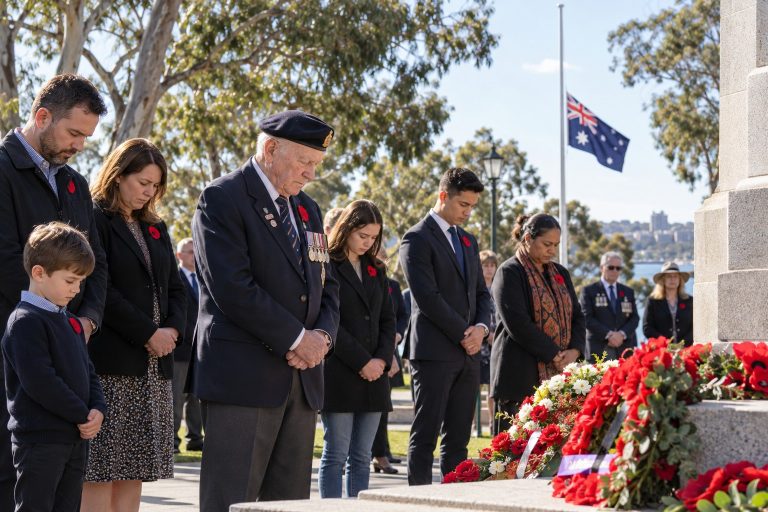
Each year there are events which are well worth commemorating. Apart from the obvious such as Good Friday, Easter Sunday and Christmas Day, there is Anzac Day and Remembrance Day.
In a week’s time on the 11th hour on the 11th day of the 11th month, a minutes’ silence will be observed for those who died defending our nation and our democratic ideals.
In Australia and other allied countries, including New Zealand, Canada and the United States, November 11 became known as Armistice Day, a day to remember those who died in World War 1. More than 60,000 Australian soldiers and about 17,000 New Zealand soldiers died in the Great War.
How did Remembrance Day come about? On the first anniversary of the armistice in 1919, two minutes’ silence was introduced as part of the main commemorative ceremony at the new cenotaph in London. Australian journalist Edward Honey and South African politician Sir Percy Fitzpatrick are credited with the idea for the two-minute silence.
Originally called Armistice Day, Australia agreed to a proposal by Britain after World War 11 to change the name to Remembrance Day. Lives lost in both world wars and other conflicts are now commemorated on November 11.
On the 75th anniversary of the armistice in 1993, Remembrance Day ceremonies in Australia and New Zealand became the focus of national attention. The remains of an unknown Australian soldier, exhumed from a World War 1 military cemetery in France, were ceremonially entombed in the Australian War Memorial’s Hall of Memory.
As well as Anzac Day on April 25, it is important we remember the fallen, those who gave the ultimate sacrifice. It is the least we can do.
Lest we forget.
We encourage you to share and use this material on your own website. However, when using materials from Majellan Media’s website, please include the following in your citation: Sourced from www.majellan.media