
Creation's great longing
12 July, 2026 15th Sunday, Year A
Matthew 13:1-23
It is often said that Australians have elevated the art of waiting into something approaching a national discipline. We queue with philosophical calm for our morning flat whites.
We endure the seemingly endless roller-coaster ride of the season’s footy matches with the resigned optimism of people who have been disappointed before and fully expect to be disappointed again.
We are a patient mob, albeit in a rather flat-footed, arms-folded, “she’ll-be-right” kind of way.
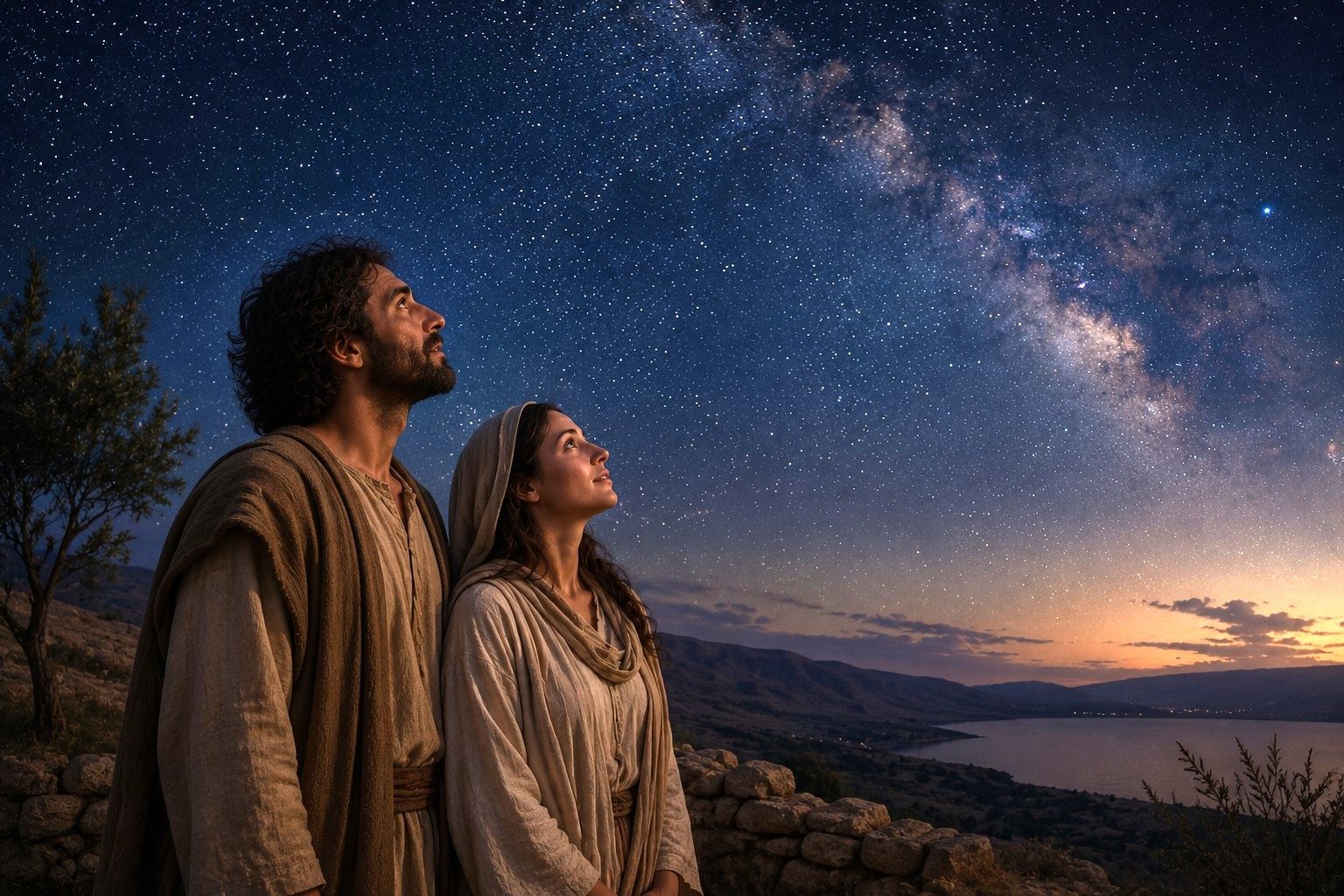
This is precisely why Paul’s extraordinary vision of a cosmos in waiting in this week’s second reading (Romans 8:18-23) should catch us off-guard. Paul does not describe patient waiting. He describes something far more electric. The Greek word he uses, apokaradokia, is one of the great untranslatable treasures of the New Testament. It means something like straining forward on tiptoe with breathless, neck-craning expectation. Think less “she’ll be right” and more a border collie at the back door when it hears the word “Walk!” whispered in a distant part of the house.
Who is doing this extraordinary craning-forward? Paul would argue that it is neither the faithful in the pews, nor the Church alone, but the whole of creation. Every gum tree, every reef, every dusty red plain from Longreach to Launceston, from Melbourne to Marble Bar: all of it, Paul insists, is caught up in an urgent, aching longing.
This is a remarkable claim which we need to reflect upon. Paul is not offering a romantic nature poem about rainbows and sunsets. He is making a serious theological argument: that the created order has been subjected to a kind of frustration, not because it is evil or abandoned, but because it is caught in a tension between what is and what is not yet. Creation, he says, “groans in labour pains” (v.22), straining toward a future liberation that has been promised but not yet fully delivered.
What is it waiting for? Here Paul is startlingly specific: the revelation of the children of God (v.19). Not a cosmic reset. Not the annihilation of the material world. But the moment when human beings finally become fully what God always intended us to be: people who live by the spirit, freed from the limitations of disease, decay and death.
We often speak of caring for the environment, as though creation is a passive recipient of our stewardship. Paul suggests something rather more humbling: that the fate of the natural world is, in some sense, bound up with our own destiny. Its healing and ours are intertwined.
We too, Paul says, groan inwardly, carrying within us “the first fruits of the Spirit;” awaiting the full harvest when all will be freed of the limitations of mortality.
Today, as we celebrate our eucharist together, we should allow this vison of cosmic redemption and transformation to inspire us to adopt the attitude of the border collie at the back door, “straining forward on tiptoe with breathless, neck-craning expectation.”
Ian J Elmer
© Majellan Media 2026
We encourage you to share and use this material on your own website. However, when using materials from Majellan Media, please include the following in your citation: Sourced from www.majellan.media