
Early Easter in 2026
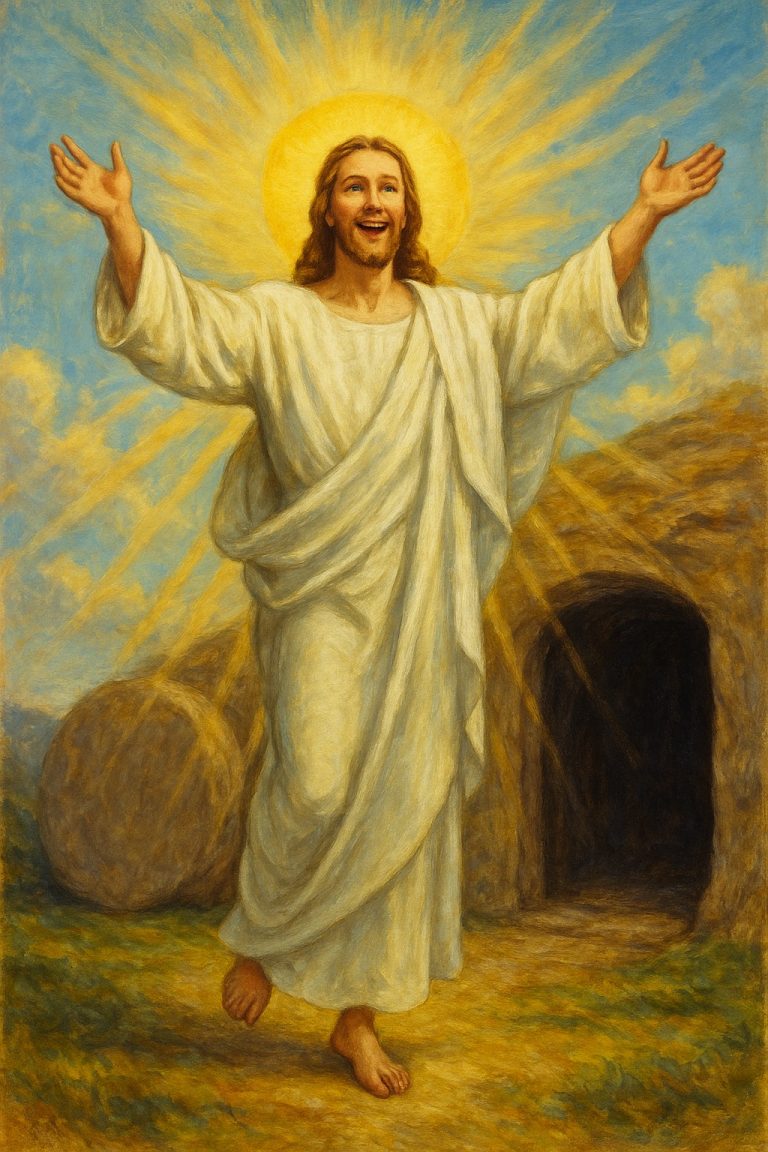
In 2026, Easter Sunday will fall on March 29, one of the earliest dates it can occur in the liturgical calendar. This early celebration invites the faithful to reflect on both the mystery of the Resurrection and the rhythm of time that shapes the Church’s spiritual life.
The timing of Easter, determined by a blend of astronomical and ecclesiastical calculations, often varies widely from year to year.
Easter’s date is set according to a formula established by the Council of Nicaea in 325 AD. It falls on the first Sunday after the first full moon following the vernal equinox. This means Easter can occur as early as March 22 and as late as April 25.
In 2026, the Paschal Full Moon will appear on March 28, placing Easter Sunday immediately after, on March 29. Such an early Easter happens only a few times in a century, with the next one of comparable timing not expected until 2038.
This variation reflects not randomness but the Church’s deep connection to both creation and redemption. The cycles of the moon and sun—symbols of God’s order in the universe—mark the rhythm of the liturgical year, reminding the faithful that time itself belongs to God.
An early Easter also shortens the period following Christmas. In 2026, Ash Wednesday is on February 11, giving a short span between the Christmas season and the beginning of Lent. This condensed calendar challenges the faithful to transition quickly from the joy of Christ’s birth to the solemn reflection of His Passion and Resurrection.
Parishes and faith communities will find themselves moving rapidly from the Ordinary Time readings of January into the call for repentance and renewal during Lent. While this schedule may feel rushed, it beautifully mirrors the urgency of conversion in the Gospels and Christ’s constant invitation to “repent, for the kingdom of heaven is near.”
The early Lenten season also reminds us that renewal is not a matter of timing but of the heart’s readiness to respond to grace.
While not so in Australia and New Zealand, the early date places the celebration in a time when, in many parts of the world, the earth is just emerging from winter’s grip. Flowers are only beginning to bloom, and the air still carries a chill. This natural imagery powerfully reinforces the theological meaning of Easter: life triumphing over death, light overcoming darkness, and hope rising amid barrenness.
For Christians, the Resurrection of Christ is the ultimate springtime (northern hemisphere) of the soul. The early Easte is a reminder that renewal can come even when the world still seems cold and dormant. Just as the first buds break through frozen soil, so too does divine grace awaken the human heart to new life.
An early Easter invites believers to prepare more intentionally. The shorter pre-Lenten period encourages communities to focus their spiritual efforts—through prayer, fasting, and almsgiving—on the essentials of faith: repentance, mercy, and resurrection hope.
For many, the early arrival of Easter also offers an opportunity to rediscover joy. After years marked by uncertainty and rapid change, the Resurrection stands as a timeless assurance that love and life have the final word.
As Saint Paul writes, “If Christ has not been raised, your faith is futile; you are still in your sins … But Christ has indeed been raised from the dead” (1 Corinthians 15:17, 20).
Early Easter will bring together the faithful across the world in celebration of God’s saving power. Churches will bloom with lilies and echo with the ancient acclamation, “Christ is risen! He is risen indeed!” Though the timing may seem premature, the message remains eternal.
In this unique year, when the Church moves swiftly from the ashes of Lent to the light of Easter morning, we are reminded that resurrection is not bound by time or season. Every Easter—early or late—is a renewal of the promise that Christ conquers death, and that in Him, all creation is made new.
As nature awakens and the days grow shorter, Easter next year stands as a sign of hope, faith, and enduring joy and an invitation to live as people of the Resurrection every day of the year.
We encourage you to share and use this material on your own website. However, when using materials from Majellan Media’s website, please include the following in your citation: Sourced from www.majellan.media