
Experiencing exile
18 October, 2026 29th Sunday Year A
Matthew 22:15-21
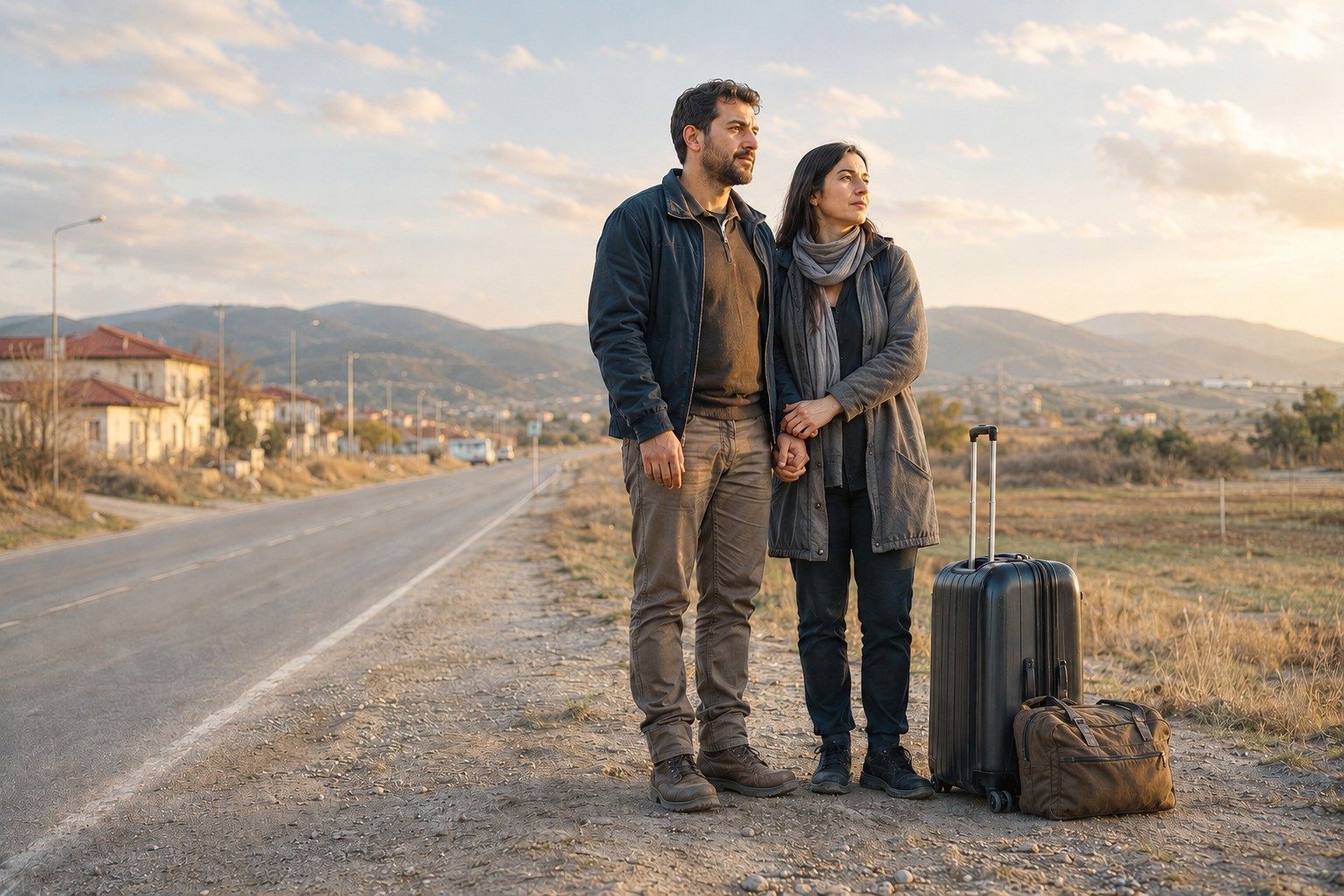
The Jewish people experienced two major periods of exile. The first was the Assyrian Exile beginning in the eighth century BCE when the ten northern tribes were forced into exile in Assyria. The second, the Babylonian Exile, involved the southern kingdom of Judah, primarily consisting of the two tribes of Judah and Benjamin. It occurred in the sixth century BCE when Nebuchadnezzar, the King of Babylon, twice attacked Jerusalem and, on the second occasion, destroyed the city.
In the Assyrian Exile, tens of thousands of Israelites were scattered across the Assyrian empire and, rather than returning, the deportees were gradually assimilated into the local populations, disappearing from history, and leading to the historical concept of the Ten Lost Tribes of Israel.
The Babylonian Exile lasted almost seventy years until Cyrus, the King of Persia, defeated the Babylonians and issued an edict that the Jewish people could return to their homeland. Gradually, over time a large group of exiles returned to Jerusalem and began to rebuild their shattered city.
In this week’s first reading, the prophet Isaiah refers to Cyrus as the “anointed” of the Lord, a title usually ascribed to the Davidic king. Furthermore, this Persian king’s hand is grasped by God, which signifies the conferral of royal authority. Though Cyrus is a non-believer, God’s plan unfolds through him.
The experience of exile must have been devastating because, after being led out of Egypt to the “promised land,” the Israelites were once again captive, in foreign lands, and subject to non-believers. It meant the loss of freedom, the loss of a beloved city, leaving home, being deported, and forced displacement. It meant grief and physical, emotional and spiritual suffering.
We too, for a wide range of reasons, can experience what feel like periods of exile in our lives. It might happen when we suffer separation from family and friends, a severed relationship, the loss of employment, a serious health issue or trauma, or mental illness. In those times, our faith and trust in God can be sorely tested. We can really struggle in our search for ways to endure the grief, suffering and displacement, physically, psychologically and spiritually.
Spiritually, at core those experiences challenge us to deepen our relationship with the Lord and to trust that God does not desert us. Painful though they are, in fact they prompt us to grow. Indeed, as we look back on our lives, we can see that the pain points in our lives are in fact growth points in our development.
The challenge is to let those pain points – those times of displacement, grief and suffering – become growth points. It is to let them soften whatever hardness of heart has set in and to let those pain points open us up to new life, new understanding, and new compassion for those around us and the world and its needs.
Michael A Kelly CSsR
© Majellan Media 2026
We encourage you to share and use this material on your own website. However, when using materials from Majellan Media, please include the following in your citation: Sourced from www.majellan.media