
Preaching with our lives
8 February, 2026 5th Sunday, Year A
Matthew 5:13-16
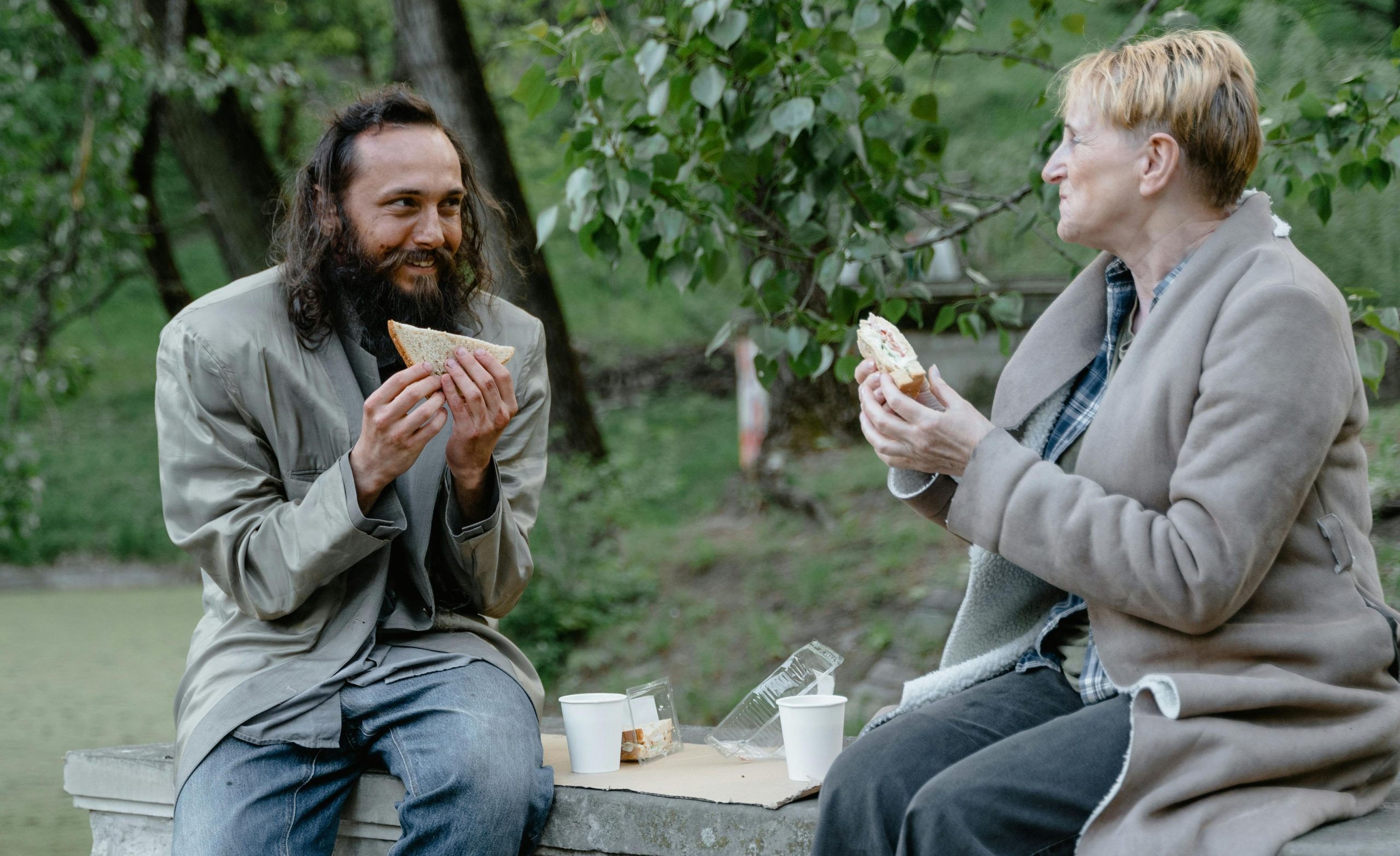
According to a book called The Life of Francis of Assisi, Francis invited a young monk to join him on a trip to town to preach. Honoured to be given the invitation, the monk readily accepted. All day long he and Francis walked through the streets, byways, and alleys, and even into the suburbs.
They rubbed shoulders with hundreds of people. At day’s end, the two headed back home. Not even once had Francis addressed a crowd, nor had he talked to anyone about the gospel. Greatly disappointed, his young companion said, “I thought we were going into town to preach.”
Francis responded, “My son, we have preached. We were preaching while we were walking. We were seen by many, and our behaviour was closely watched. It is of no use to walk anywhere to preach unless we preach everywhere as we walk!”
Most of us will never stand in a pulpit to preach a homily, but we do preach by the witness of our lives. This is not explicit preaching, but rather the example of lives of integrity which are often more eloquent than lengthy biblical reflections.
The prophet Isaiah tells us of the need to share bread with the hungry, to shelter the homeless, to clothe the naked, and never to turn our backs on our own. This is what makes our light shine before others. The psalm spells out how our lives can make a difference when they are characterised by generosity, mercy, trust, and a steadfast heart committed to reaching out to the poor. This is the challenge given us by Pope Leo XIV in his recent Apostolic Letter, Dilexi te (I have Loved You), where he insists that we must be concerned about the lives of the most marginalised in our society.
In a world of inequality, we are often separated from those who are on the margins who struggle to pay rent, to cope with the rising cost of living, and to manage on the minimum wage. We do not necessarily inhabit their world. But we need to be mindful that the blessings we have received in terms of employment, family stability, education, economic security and lifestyle, should not isolate us from, or blind us, to the needy in our world.
Salt was traditionally a food preservative and a condiment to enrich food, so we are called to enrich the lives of those less fortunate than ourselves. In Australia, first among these must be our indigenous brothers and sisters, as well as migrants and citizens who have fallen through the cracks in our society.
There are also the victims of domestic violence whose lives are in turmoil. We must pray and stand in solidarity with all those in need.
There is much to do in being daily witnesses to the gospel and preaching with our lives.
Michael A Kelly CSsR
© Majellan Media 2026
We encourage you to share and use this material on your own website. However, when using materials from Majellan Media, please include the following in your citation: Sourced from www.majellan.media